


Physical Therapy Massagers & Clinical Rehabilitation Equipment
Engineered for Chiropractors, Physical Therapy Clinics & Sports Medicine Centers
Clinical-Grade Vibration Therapy Engineered for Daily Rehabilitation Work
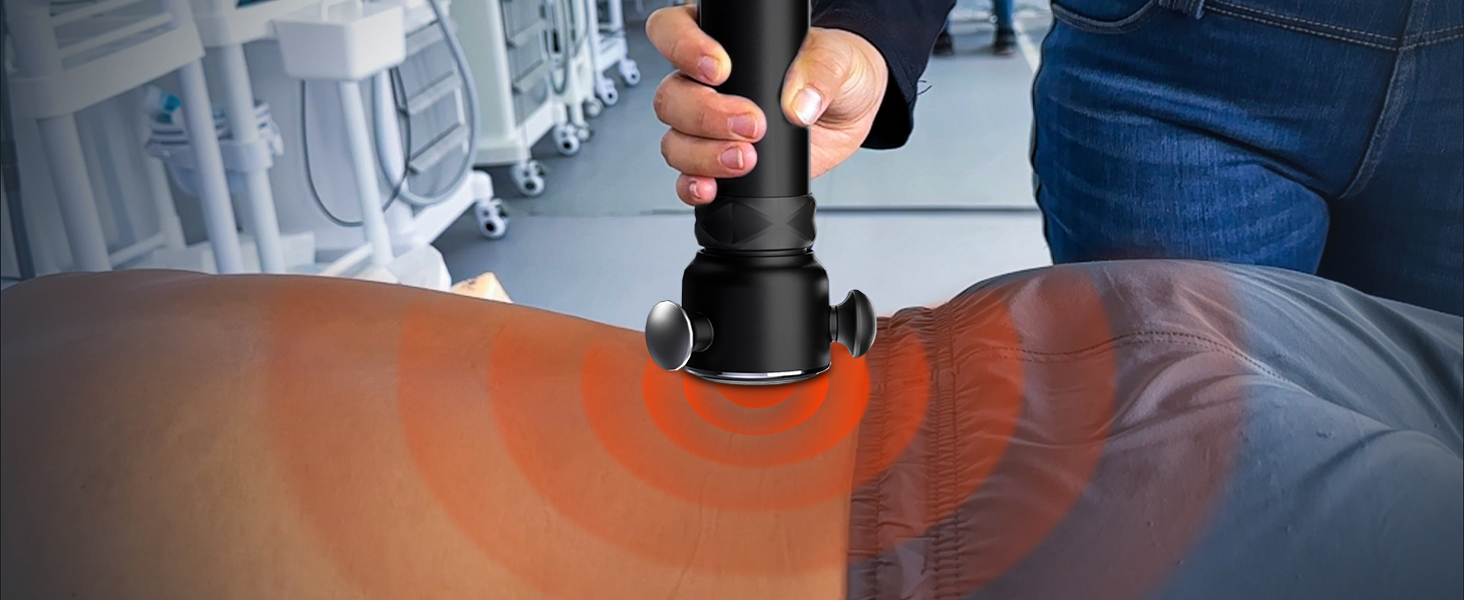
Shenzhen Jindouer engineers clinical-grade physical therapy massagers and high-frequency resonance equipment for physical therapists, chiropractors, and rehabilitation clinics worldwide. Operating at an ultra-high frequency of 5,000 to 7,500 RPM, our certified devices deliver non-percussive planar resonance that mobilizes tight fascial sheaths, breaks down post-injury scar tissue, and releases stubborn trigger points without bone-jarring impact or bruising. Backed by rigorous multi-stage QC inspection and 100+ global patents, our equipment ensures whisper-quiet (≤55dB), dependable daily performance for high-volume clinic shifts.
Key Highlights
- 🔹 5,000–7,500 RPM Planar Micro-Resonance for safe myofascial release without bone bruising
- 🔹 High-Torque Silent Brushless Motor sustaining continuous back-to-back clinical patient sessions
- 🔹 Ultra-Quiet Acoustic Dampening (≤55dB) preserving a peaceful, professional clinic atmosphere
- 🔹 Medical-Grade Aluminum & Skin-Friendly Attachments engineered for clinical alcohol disinfection
Clinical Benefits
Professional trigger‑point & soft‑tissue rehabilitation
Targeted 5,000+ RPM resonance flushes out localized lactic acid and mobilizes dense scar tissue.
Suitable for therapy clinics & rehabilitation practitioners
Balanced center-of-gravity ergonomics eliminate wrist fatigue during long daily clinical shifts.
Stable clinical‑grade daily performance
High-density 2,900mAh battery cell supports continuous multi-patient therapy on a single charge.
Choosing a Handheld Therapy Tool Manufacturer for Clinic Use
Clinics do not buy on price per unit. They buy on repeatability: the same output at 9 a.m. and at 6 p.m., across five practitioners, for two years. When evaluating a handheld therapy tool manufacturer, three specifications predict that outcome — gear stability under load, stall behaviour, and battery consistency across the discharge curve.
Our clinical platforms are specified honestly, including the numbers that do not flatter us. The LD017 Pro carries a rated stall force of 10 lbs, which is deliberately modest: the device is built for sustained vibration therapy at a controlled amplitude, not for driving through a contracted glute. The LD025 runs 4,500 to 6,500 RPM across five digitally locked gears at 0.47 kg, which is the format therapists actually carry between rooms. For massage gun for physical therapy clinics procurement, we supply per-batch test reports so the specification can be verified rather than assumed. Compare the full rapid release therapy devices category for clinical formats.
Featured Clinical Rehabilitation Equipment
Patented 5,000–7,500 RPM High-Frequency Resonance Hardware
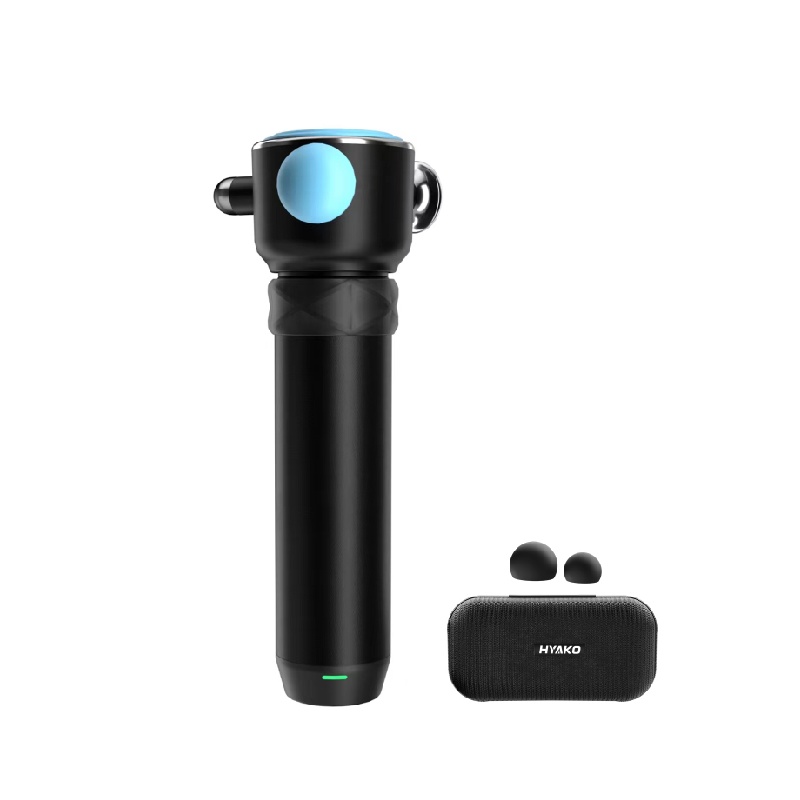
LD017 Pro Handheld Vibration Massager
Engineered specifically for clinical chiropractors. The 21.7cm aircraft-aluminum handle provides optimal leverage for treating spinal tracts and deep myofascial adhesions without practitioner wrist strain.
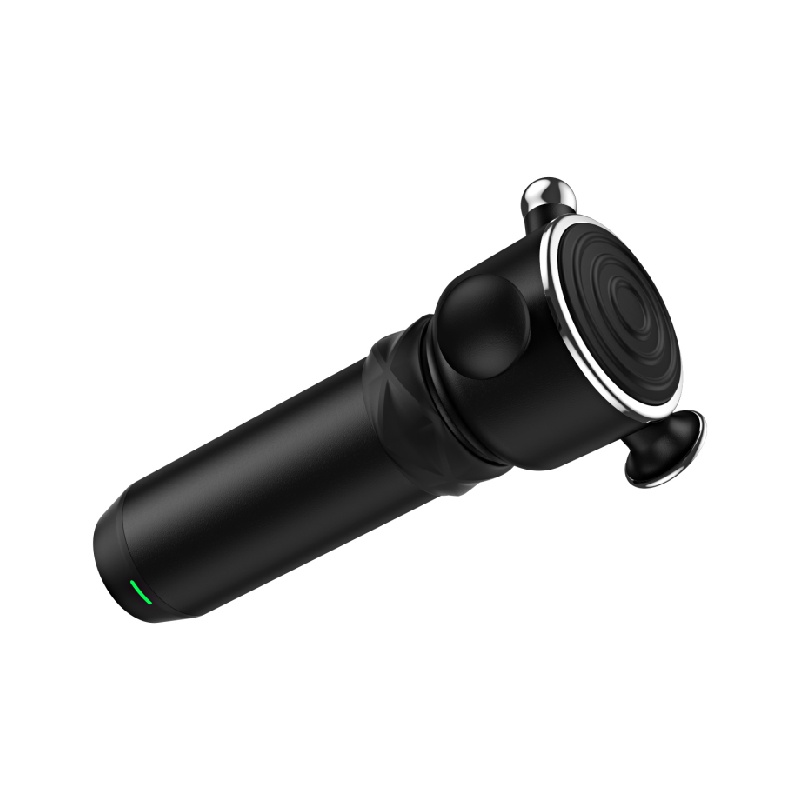
LD017 Rapid Release Therapy
Massager
Compact 18.7cm height delivering 5,000–7,000 RPM high-frequency planar resonance. Ideal for delicate scar tissue mobilization, plantar fasciitis, and mobile physical therapists.
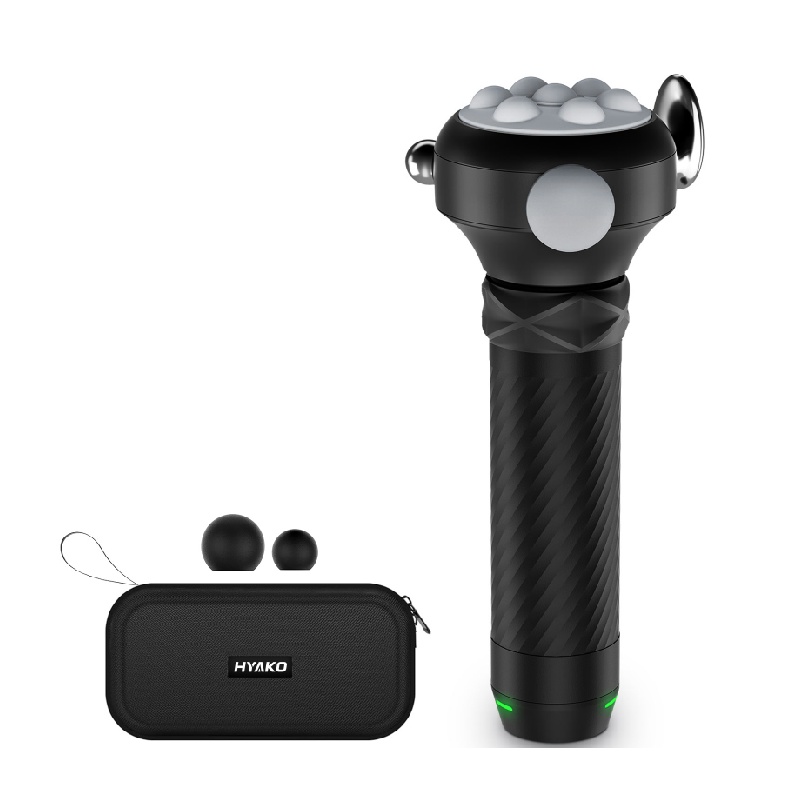
LD027 Pro Max Vibration Therapy Device
Heavy-duty 23cm long-handled clinical workstation with anti-slip diamond knurling. Delivers 44.5W of vibrational shear force to penetrate large muscle knots and dense chronic adhesions.
Chiropractic and Manual Therapy: Matching Device Type to Protocol
Chiropractic and manual therapy protocols divide into two device families, and mixing them is the most common specification error we see. Percussive units deliver a reciprocating impulse at 5 to 18 mm amplitude for dense tissue work. High-frequency vibration units, such as the LD017 and the LD027 Pro Max, operate at lower amplitude and are used for soft-tissue preparation, mobilisation and post-adjustment soreness.
A chiropractic massage gun supplier should be able to say which family fits which protocol — and should say clearly when a percussive device is the wrong purchase. We publish both specifications side by side and build both platforms in the same factory, so a clinic group can standardise on one supplier without forcing one mechanism onto every treatment room.